Calm is part
of your strength.
Take a moment to breathe. Attention can be practised, without pressure or a perfectly quiet mind.
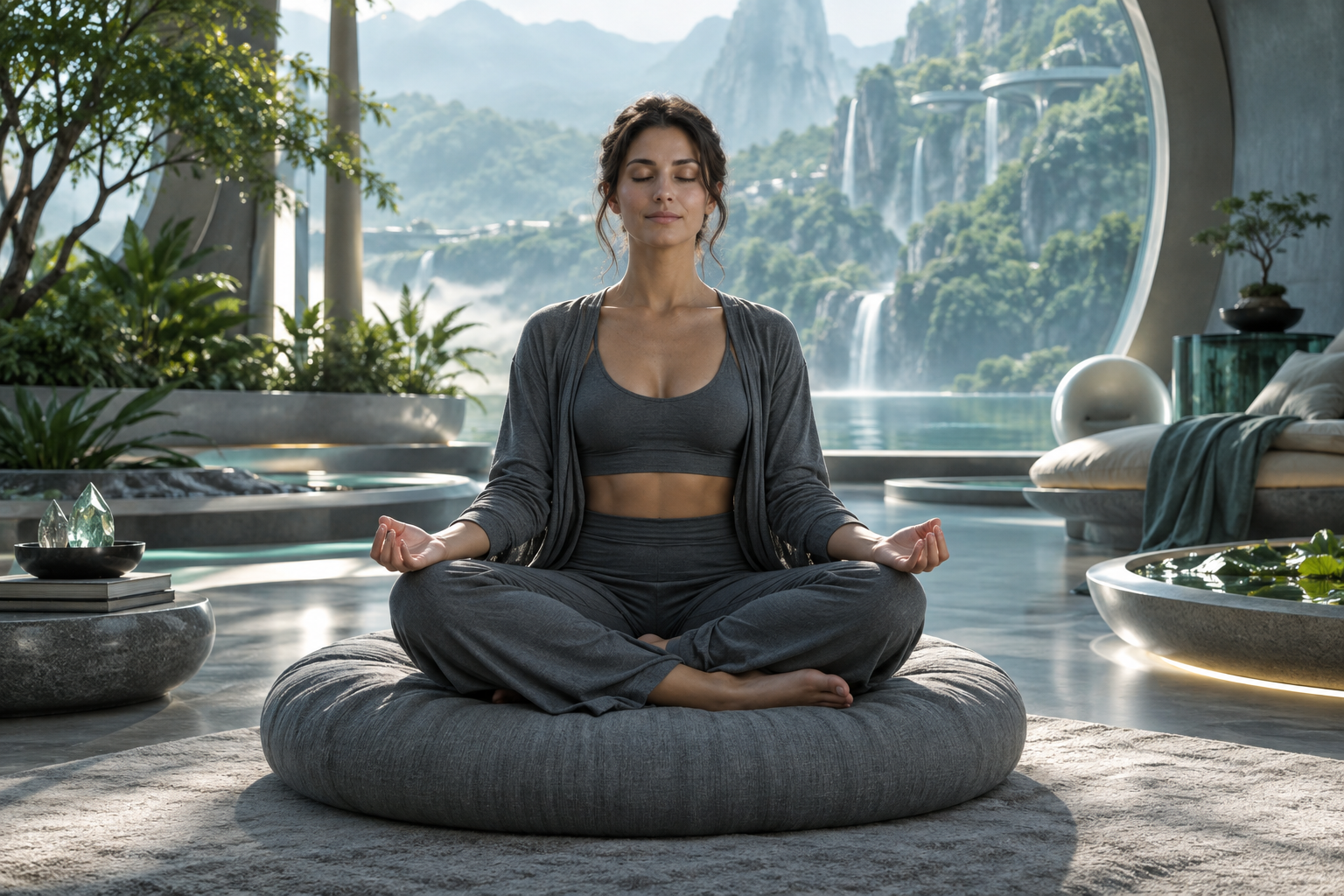
Less striving.
More noticing.
Sit comfortably and notice your breath. When attention wanders, gently return. Meditation may help with stress and sleep; effects differ and the evidence is not equally strong in every area.
Your breath. Your rhythm.
A guide: 4 seconds in, 6 seconds out. No breath holding or forced deep breaths. Adjust the rhythm or breathe naturally if it feels uncomfortable.
Practise at rest, never while driving or underwater. Stop for dizziness, breathlessness or distress.
Meditation timer
Breathe naturally, sit comfortably and let thoughts come. The timer provides a quiet space. You can stop whenever uncomfortable feelings arise.
Sleep supports your progress
Most adults need at least seven hours of sleep. Consistent timing and a calm evening routine can help. Plan recovery as deliberately as training.
A small evening routine
- Set out your clothes and water for tomorrow. One fewer decision.
- Finish stimulating screen work in good time and dim the lights.
- Breathe calmly for a few minutes or read something relaxing.
- Keep a fairly regular bedtime. One difficult day does not reset your progress.